




Your register should be a conductor, not a bottleneck. Modern stacks centralize receipts, tap‑to‑pay, BNPL, and card tokenization while syncing taxes and discounts consistently across channels. Offline mode preserves sales during outages, and automatic reconciliation clears end‑of‑day headaches. Reliable hardware, intuitive workflows, and remote device management keep lines moving and staff focused on genuine service.
Automated replenishment transforms guesswork into a calm, predictable routine. Real‑time counts feed reorder points, while purchase orders generate with lead times, case sizes, and vendor minimums baked in. Barcode accuracy, cycle counts, and EDI ensure fewer stockouts and overstocks. Integrated shelf labels, receiving checklists, and discrepancy alerts help managers protect margins and keep assortments fresh without late‑night spreadsheets.
A built‑in CRM gathers consented profiles, preferences, and purchase history, powering tailored offers instead of noisy blasts. Loyalty accrues points automatically at checkout, while receipts capture sign‑ups with clear privacy language. Segments update in real time, feeding email, SMS, and push journeys that acknowledge birthdays, replenishment windows, and local events. The result is consistent, respectful communication that earns repeat visits.
Consistent schemas matter more than flashy dashboards. Well‑documented APIs, row‑level permissions, and idempotent webhooks create reliable synchronization between POS, ecommerce, marketing, and accounting. Change‑data‑capture keeps downstream tools current without heavy polling. Clear mappings for SKUs, variants, taxes, and tenders prevent duplication and drift. With trustworthy foundations, every report, forecast, and campaign starts on solid ground.
When price tags, online listings, and receipts all agree, customers feel respected and teams avoid fire drills. Automated catalog sync propagates names, images, modifiers, and allergens, while price books manage tiers for channels, groups, and seasons. Promotions carry eligibility rules, stacking logic, and start‑end windows. The system validates conflicts upfront, turning tricky edge cases into predictable, sustainable operations.
Customers choose channels, topics, and frequency, and the system honors those choices everywhere. Clear language, one‑click opt‑outs, and granular categories reduce complaints while improving engagement quality. Staff can enroll shoppers at checkout with transparent prompts. Profiles unify in‑store and online behavior, letting you deliver helpful reminders instead of noise. Respect builds durable relationships and protects your reputation with regulators and patrons alike.
Behavioral triggers launch messages when they matter: a win‑back nudge, a refill reminder, or a local event invitation. Dynamic content reflects weather, inventory, and proximity, while loyalty balance drives gentle encouragement to redeem. A/B tests learn quickly without burdening staff. Over time, smarter personalization replaces discounts with relevance, lifting margin and satisfaction together. Invite readers to reply with their favorite successful campaigns.

Focus on blended gross margin, inventory turnover, weeks of supply, average basket, promo effectiveness, labor as a percentage of sales, and return rates. Each metric ties to concrete actions and owners. The dashboard favors trend lines, seasonality overlays, and explanations. Annotations capture local events that affected results, preserving context. When everyone understands the scoreboard, collaboration becomes natural and energizing.
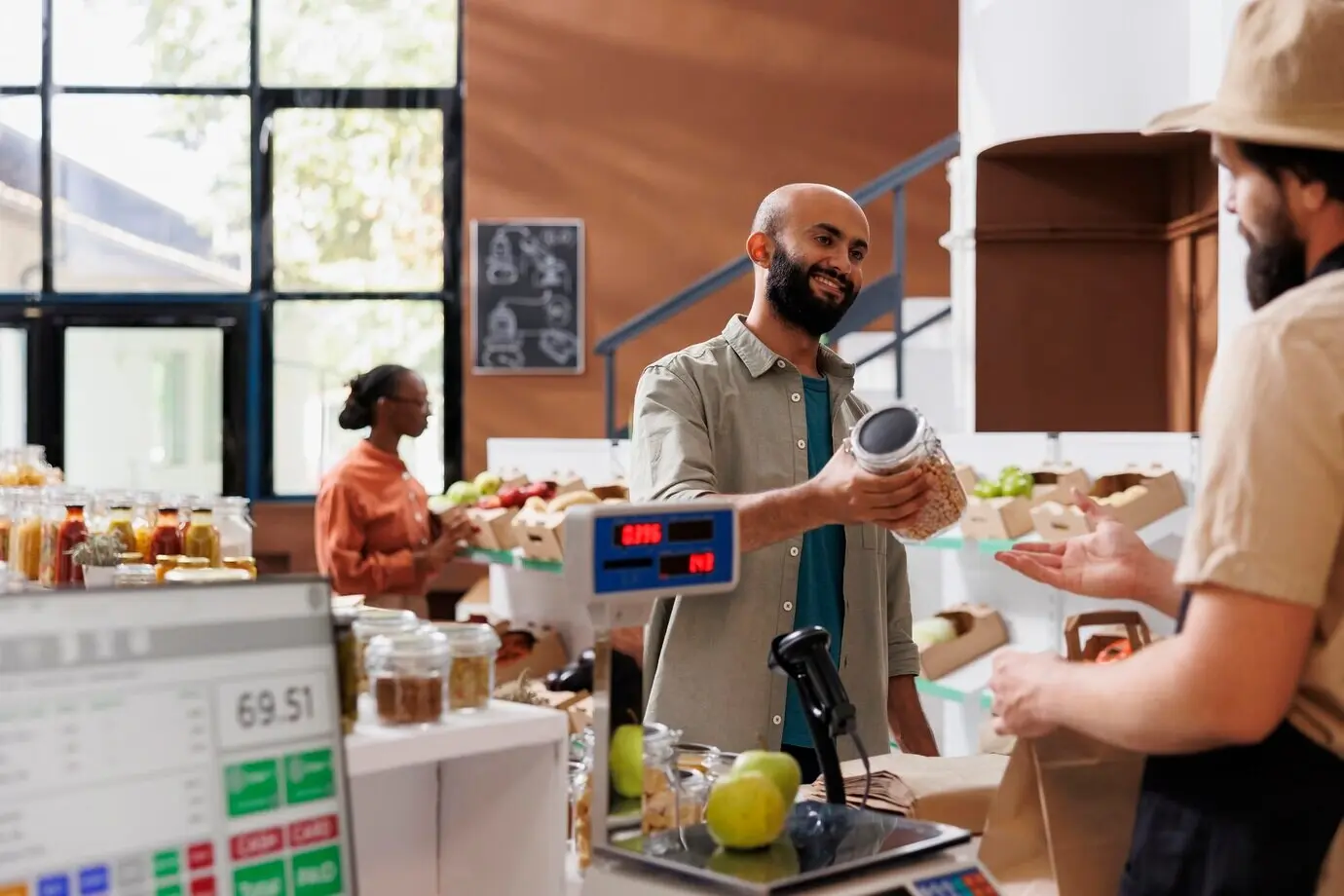
Machine‑assisted forecasts combine historical sales, price elasticity, holidays, weather, and local events. The system recommends order quantities by vendor pack, highlights risk of stockouts, and proposes substitutions for constrained items. Managers review and approve in minutes, not hours. Over time, accuracy compounds, freeing cash from slow movers and capturing demand spikes without emergency runs or disappointing regulars.

Understand which campaigns create lasting customers rather than one‑time bargain hunters. Cohort charts reveal retention and spending trajectories. Basket analysis uncovers natural bundles and profitable adjacencies for endcaps. Multi‑touch attribution connects impressions to visits and revenue without overstating any channel. These insights inform merchandising, staffing, and creative choices, so teams spend money where it produces compounding, measurable outcomes.